
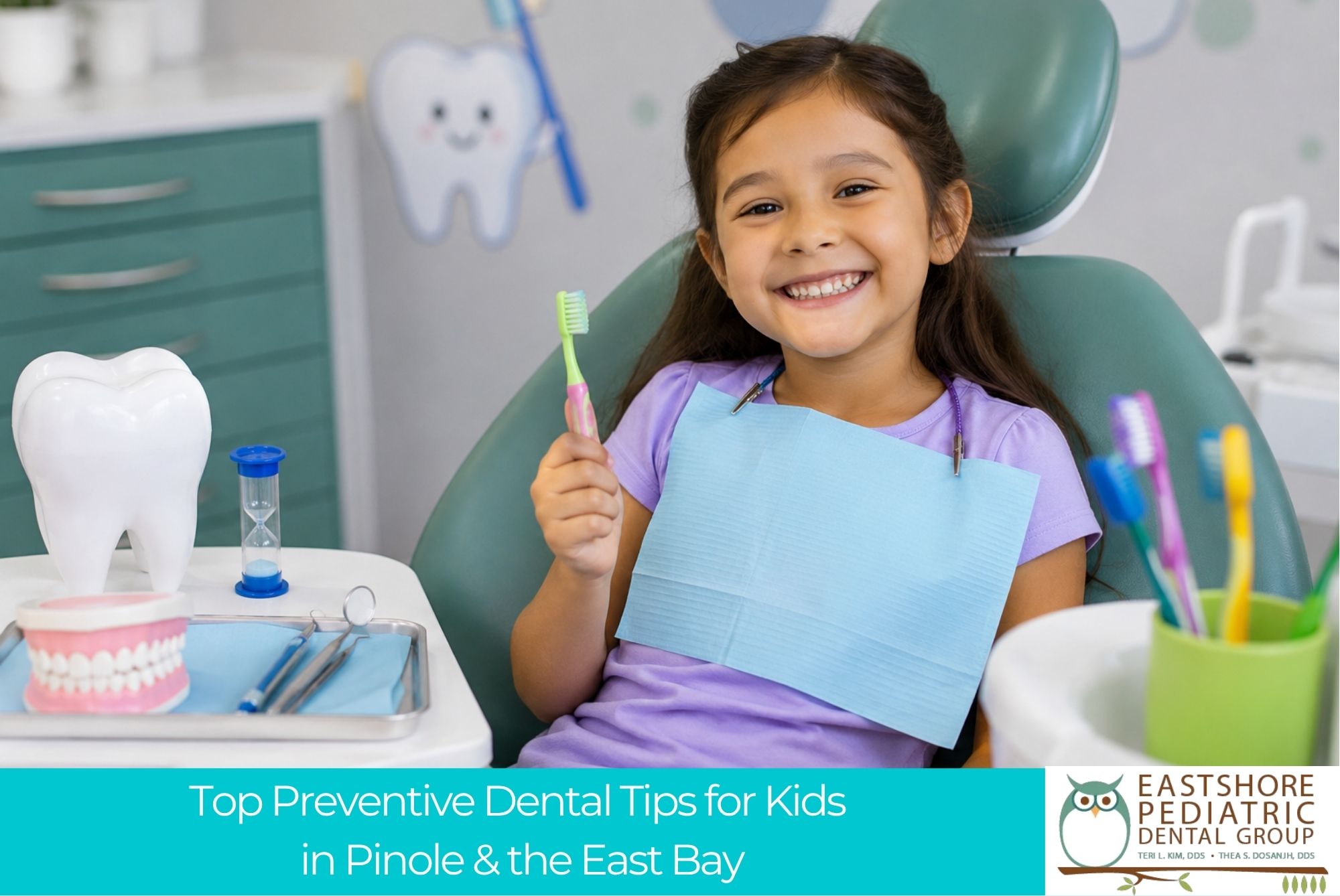
 Healthy smiles begin long before a child ever experiences a cavity. Preventive pediatric dental care provides the foundation for strong teeth, healthy gums, proper oral development, and lifelong confidence. While modern dentistry offers excellent restorative treatments when needed, the best approach is always preventing dental problems before they begin.
At Eastshore Pediatric Dental Group, we believe prevention is the key to helping children maintain healthy smiles from infancy through adolescence. Families throughout Pinole and the East Bay can significantly reduce their child’s risk of cavities, gum disease, dental emergencies, and orthodontic complications by combining excellent home care with routine professional dental visits.
This guide explores the most effective preventive dental strategies every parent should know to help children develop healthy habits that last a lifetime.
Why Preventive Dentistry Is So Important for Children
Baby teeth serve much greater purposes than simply helping children chew food. Primary teeth:
- Hold space for permanent teeth
- Support proper jaw development
- Help children speak clearly
- Allow proper nutrition through comfortable chewing
- Build confidence through healthy smiles
- Reduce the risk of future orthodontic issues
According to the American Academy of Pediatric Dentistry (AAPD), tooth decay remains one of the most common chronic childhood diseases. Fortunately, it is also one of the most preventable.
Preventive dentistry focuses on identifying risks early, strengthening teeth, educating families, and minimizing the need for fillings or more complex procedures.
Start Dental Care Earlier Than Most Parents Think
Schedule the First Dental Visit by Age One
Many parents wait until preschool to schedule a child’s first dental appointment. However, pediatric dental experts recommend children visit the dentist by their first birthday or within six months after the first tooth erupts.
Early visits allow pediatric dentists to:
- Evaluate oral development
- Monitor tooth eruption
- Identify early signs of decay
- Provide feeding guidance
- Discuss thumb sucking or pacifier use
- Teach parents proper cleaning techniques
Beginning dental visits early also helps children become comfortable with the dental office, reducing anxiety later in life.
Brush Properly Every Day
Twice Daily Brushing Is Essential
Brushing twice each day removes plaque bacteria that cause cavities and gum disease.
Parents should assist children with brushing until they develop the coordination to brush thoroughly on their own—typically around ages seven to eight.
Proper brushing includes:
- Soft-bristled toothbrush
- Gentle circular motions
- Cleaning every tooth surface
- Brushing for two full minutes
- Replacing toothbrushes every three months
Children often miss the back molars and areas along the gumline, making supervision especially important.
Use the Correct Amount of Fluoride Toothpaste
Fluoride Helps Strengthen Developing Teeth
Fluoride strengthens enamel by making teeth more resistant to acid attacks from cavity-causing bacteria.
Recommended toothpaste amounts include:
- Under age 3: a rice-sized smear
- Ages 3 and older: a pea-sized amount
Parents should supervise brushing to minimize swallowing toothpaste while ensuring adequate fluoride exposure.
Your pediatric dentist can also determine whether additional fluoride treatments may benefit your child.
Floss Once Teeth Begin Touching
Flossing Removes Plaque Between Teeth
Many cavities in children develop between teeth where toothbrush bristles cannot reach.
As soon as neighboring teeth begin touching, flossing should become part of the daily routine.
Parents may find floss picks easier to use with young children until they develop the coordination to floss independently.
Choose Tooth-Friendly Foods
Nutrition Plays a Major Role in Oral Health
Healthy eating habits directly influence cavity risk.
Foods that support healthy teeth include:
- Fresh fruits
- Vegetables
- Cheese
- Yogurt
- Lean proteins
- Nuts (when age appropriate)
- Whole grains
Calcium-rich foods support strong enamel while crunchy fruits and vegetables stimulate saliva production.
Limit Sugary Snacks and Drinks
Sugar Feeds Harmful Oral Bacteria
Every time children consume sugary foods or beverages, bacteria produce acids that weaken enamel.
Common hidden sources of sugar include:
- Juice
- Sports drinks
- Flavored milk
- Fruit snacks
- Sticky candy
- Cookies
- Sweetened cereals
- Soda
Instead, encourage water between meals and reserve sugary treats for occasional occasions rather than frequent snacking.
Drink Plenty of Water
Water Helps Protect Teeth Naturally
Water provides numerous oral health benefits.
It:
- Washes away food particles
- Reduces acid levels
- Promotes saliva production
- Helps remineralize enamel
- Keeps the mouth hydrated
When available, fluoridated tap water offers an additional protective benefit against tooth decay.
Consider Dental Sealants
Sealants Protect Vulnerable Molars
Permanent molars have deep grooves that easily trap food and bacteria.
Dental sealants create a protective barrier over these chewing surfaces, dramatically reducing cavity risk.
Sealants are:
- Quick to apply
- Comfortable
- Long-lasting
- Highly effective
- Non-invasive
Many children receive sealants shortly after their permanent molars erupt.
Keep Up with Routine Dental Checkups
Professional Exams Catch Problems Early
Even children with excellent brushing habits benefit from regular professional dental care.
Routine visits generally include:
- Comprehensive dental examination
- Professional cleaning
- Fluoride treatment
- Growth and development evaluation
- Bite assessment
- Oral hygiene education
- X-rays when appropriate
Detecting issues early often allows for simpler, less invasive treatment.
Prevent Dental Injuries During Sports
Mouthguards Protect Growing Smiles
Children who participate in sports have an increased risk of dental trauma.
Custom or professionally fitted sports mouthguards help protect against:
- Broken teeth
- Knocked-out teeth
- Lip injuries
- Jaw injuries
- Soft tissue damage
Mouthguards are recommended for both contact and many non-contact sports.
Address Thumb Sucking and Pacifier Habits
Early Guidance Can Prevent Bite Problems
Thumb sucking and prolonged pacifier use are common during infancy.
However, habits that continue beyond early childhood may contribute to:
- Open bite
- Crossbite
- Speech concerns
- Improper jaw development
Your pediatric dentist can recommend positive techniques for ending these habits at the appropriate age.
Make Oral Hygiene Fun
Positive Experiences Build Lifelong Habits
Children are more likely to maintain healthy routines when brushing becomes enjoyable.
Parents can encourage brushing by:
- Using music or timers
- Offering sticker reward charts
- Brushing together
- Choosing fun toothbrushes
- Reading dental-themed books
- Celebrating consistency
Positive reinforcement often works better than punishment.
Teach Children to Value Their Smile
Healthy Habits Begin at Home
Parents play the most influential role in establishing healthy dental habits.
Children often imitate what they see.
When families prioritize:
- Daily brushing
- Daily flossing
- Healthy eating
- Routine dental visits
- Wearing mouthguards
- Drinking water
children are much more likely to continue these habits into adulthood.
Preventive Dentistry Is an Investment in Your Child’s Future
Preventive pediatric dentistry is about far more than avoiding cavities. It helps children maintain healthy smiles, develop confidence, eat comfortably, speak clearly, and establish lifelong oral health habits.
With routine dental visits, healthy nutrition, daily home care, fluoride protection, and early intervention when needed, most childhood dental problems can be significantly reduced or prevented altogether.
Families throughout Pinole and the East Bay can give their children an excellent start by partnering with a pediatric dental team dedicated to education, prevention, and compassionate care.
Frequently Asked Questions
When should my child first visit the dentist?
Children should visit a pediatric dentist by their first birthday or within six months after the first tooth appears.
How often should children see the dentist?
Most children benefit from dental examinations and cleanings every six months. Some children with a higher risk of cavities may require more frequent visits.
How long should my child brush their teeth?
Children should brush for two minutes twice each day using fluoride toothpaste appropriate for their age.
When should children begin flossing?
Flossing should begin as soon as two teeth touch each other because toothbrushes cannot effectively clean between them.
Are baby teeth really that important?
Yes. Baby teeth guide permanent teeth into position, support speech development, assist with chewing, and maintain proper jaw growth.
What foods help prevent cavities?
Cheese, yogurt, vegetables, apples, lean proteins, whole grains, and water all contribute to healthier teeth.
Are dental sealants worth it?
Yes. Sealants are one of the most effective preventive treatments for protecting permanent molars from cavities.
What should I do if my child chips or knocks out a tooth?
Contact your pediatric dentist immediately. Prompt treatment can improve outcomes and may save the tooth in certain situations.
Is fluoride safe for children?
Yes. When used as directed, fluoride is safe and highly effective in strengthening enamel and preventing cavities.
How can I help my child stop being afraid of the dentist?
Start dental visits early, speak positively about appointments, avoid using scary language, and choose a pediatric dental office experienced in caring for children.
How much toothpaste should my child use?
Children under age three should use a smear the size of a grain of rice. Children three and older should use a pea-sized amount.
Why does my child still get cavities even though they brush?
Cavities can result from multiple factors including diet, genetics, enamel strength, brushing technique, flossing habits, and the frequency of sugary snacks. Regular dental visits help identify these risk factors early.
Contact Information
Eastshore Pediatric Dental Group
2000 Appian Way #303
Pinole, CA 94564
Phone: (510) 964-0168
Text Us: (510) 964-0168
Website: https://eastshorepediatricdental.com
Request an Appointment:
https://eastshorepediatricdental.com/appointments/